



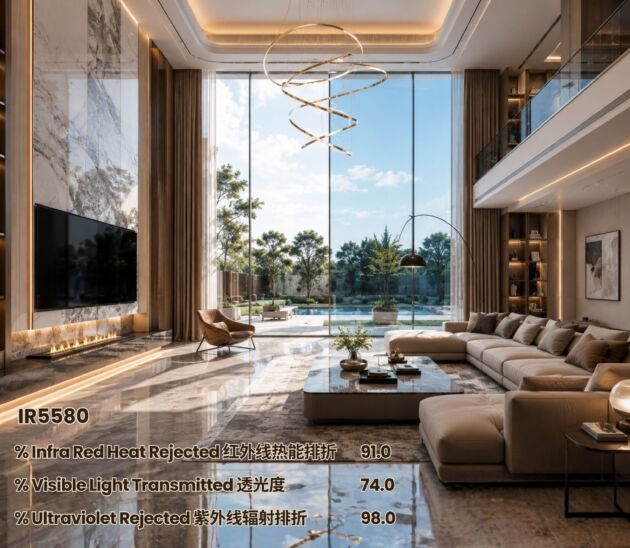

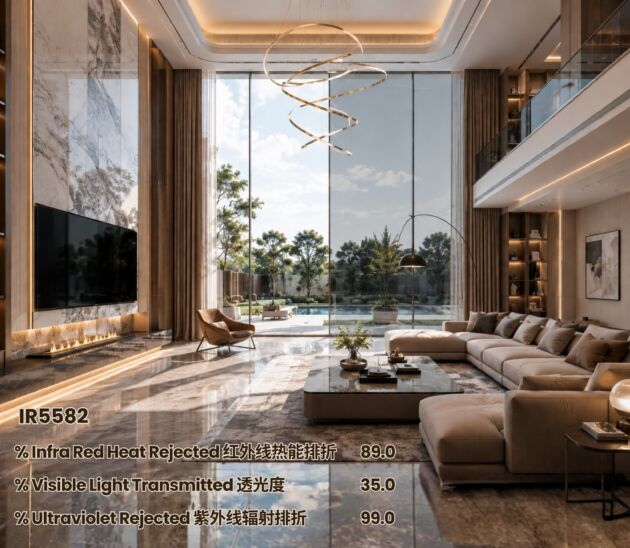

Description
Main Components of IR Window Film
1. PET (Polyester Film)
This is the “backbone” of the entire window film.
It is highly transparent, thin, and durability.
Most window films are made from multiple layers of PET film.
2. Heat-Insulating Materials (Core Components)
i) Dyed Layer (Color-Tinted Layer)
Absorbs part of the heat energy through added dyes.
3. UV Absorbers
Blocks ultraviolet rays (typically up to 99% UV rejection), protecting skin and interior furnishings from sun damage.
4. Adhesive Layer
Allows the window film to firmly adhere to the glass surface.
5. Hard Coat (Scratch-Resistant Layer)
This is the outermost protective layer of the window film.
It prevents scratches and helps extend the film’s lifespan.
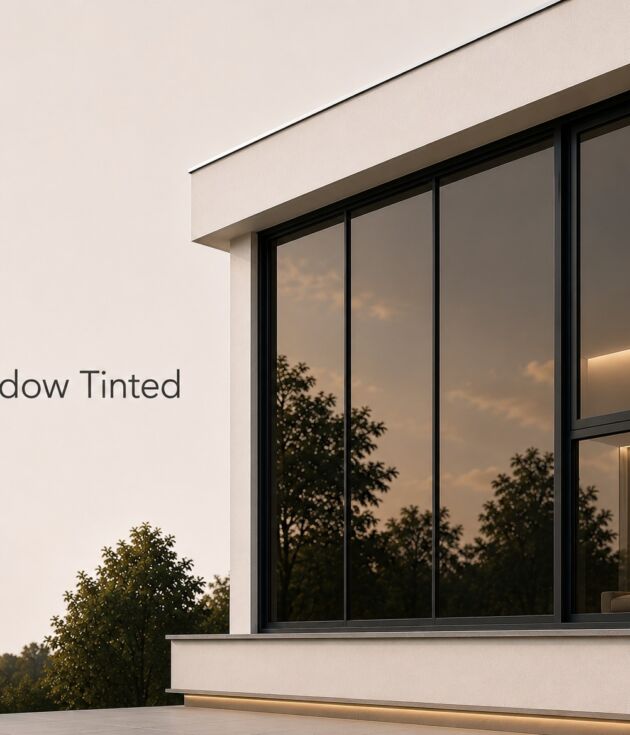
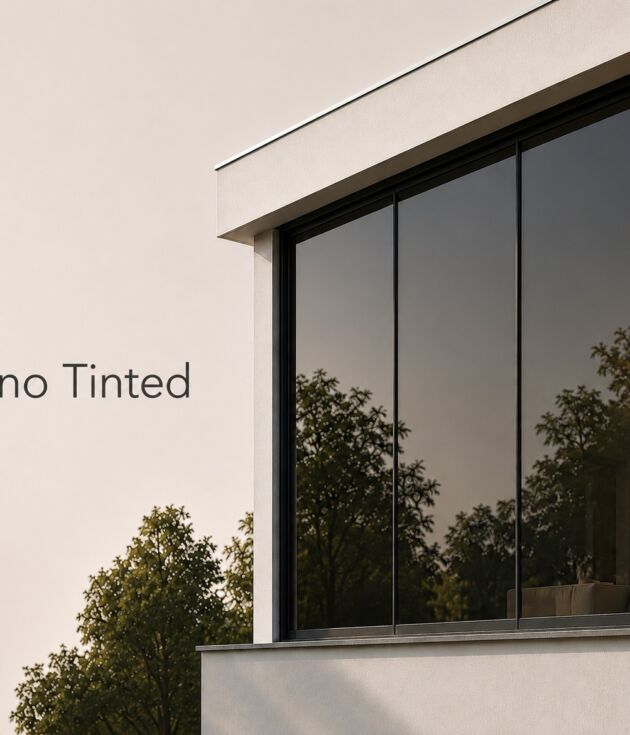
Feature of IR Window Tinted
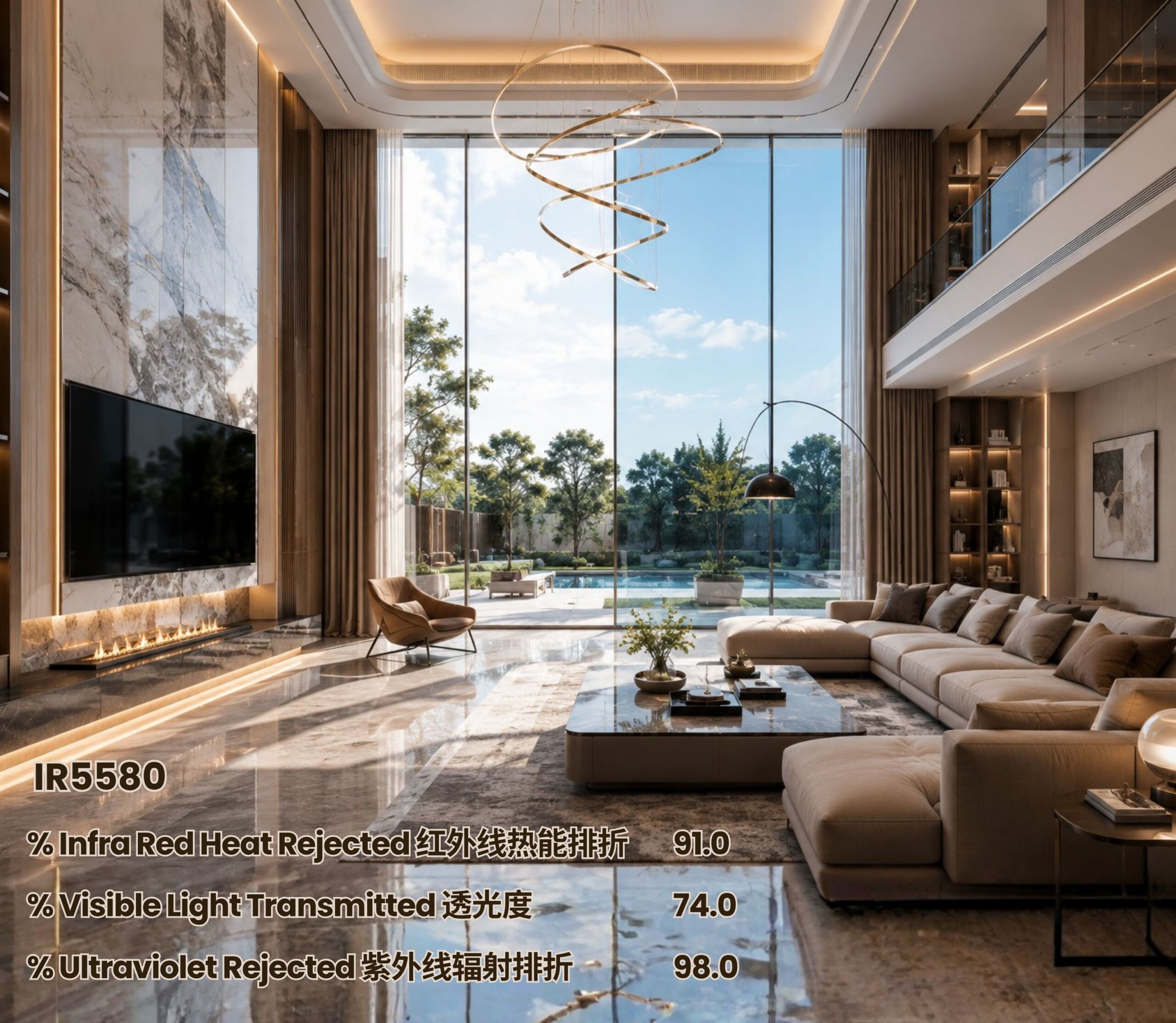
1. Total Solar Energy Rejected (TSER) – Overall Solar Energy Blocking Rate
Definition: Refers to the percentage of total solar energy that the window film can block. Includes: Solar energy consists of three parts – ultraviolet (UV), visible light, and infrared (IR). TSER represents how much of this combined energy is rejected by the film. The higher, the better: A higher TSER means better heat rejection, which helps reduce indoor temperatures and save energy.
2. Visible Light Transmitted
Definition: Indicates the percentage of visible light that passes through the window film.
3.Ultraviolet Rejected – UV Blocking Rate
Definition: Refers to the percentage of ultraviolet (UV) rays that the window film can block. High UV rejection helps protect interiors and human health.

Reviews
There are no reviews yet.